


-

Add: HeBei ShengShi HongBang Cellulose Technology CO.,LTD.
-

Email
13180486930@163.com -

CONTACT US
+86 13180486930

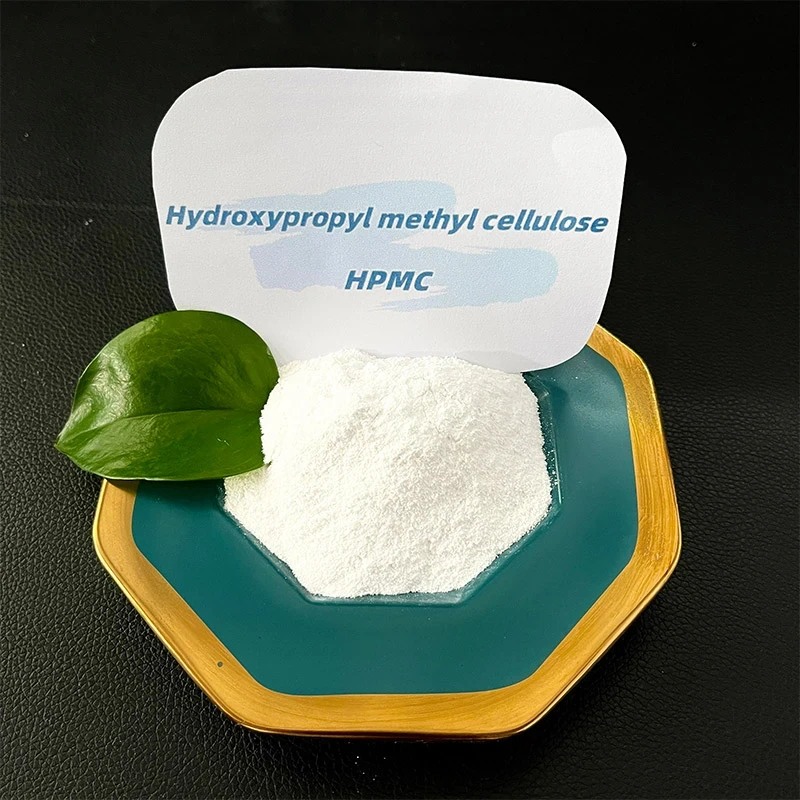


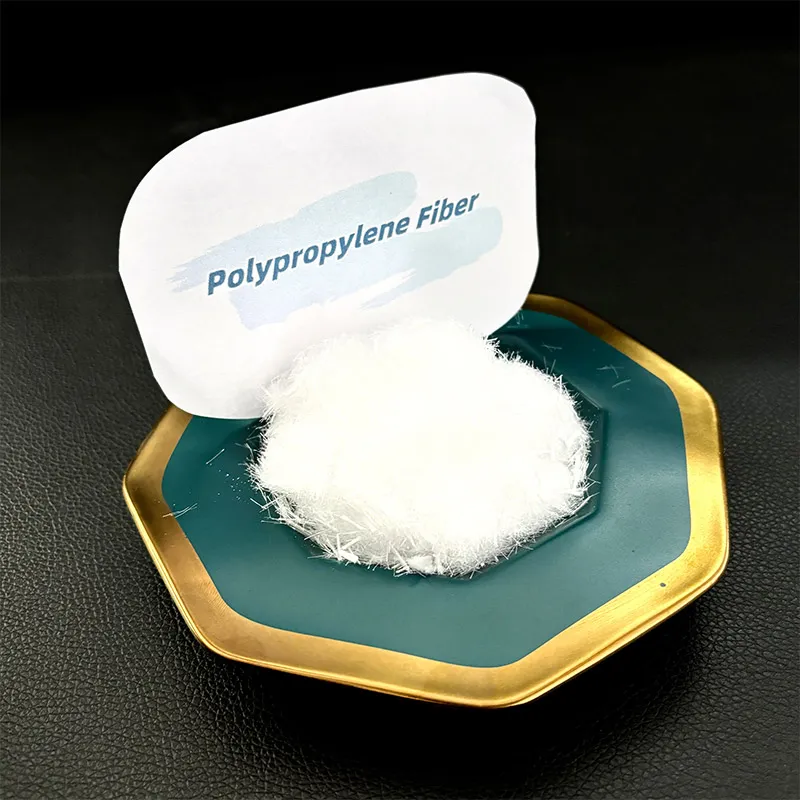
polypropylene fiber, pp fiber, pp fiber concrete, microfiber synthetic, polypropylene fibre is a key solution in the manufacturing industry, specifically within Manufacturing of building materials and Concrete admixture. This article explores how HeBei ShengShi HongBang Cellulose Technology CO.,LTD. supports professionals with durable, high-performance products, and explains why this product is an ideal choice for businesses in these sectors. Table of Contents polypropylene fiber,pp fiber,pp fiber concrete,microfiber synthetic,polypropylene fibre Overview Benefits & Use Cases of polypropylene fiber,pp fiber,pp fiber concrete,microfiber synthetic,polypropylene fibre in Concrete admixture Cost, Maintenance & User Experience Sustainability & Market Trends in manufacturing Conclusion on polypropylene fiber,pp fiber,pp fiber concrete,microfiber synthetic,polypropylene fibre from HeBei ShengShi HongBang Cellulose Technology CO.,LTD. polypropylene fiber,pp fiber,pp fiber concrete,microfiber synthetic,polypropylene fibre Overview Polypropylene fiber (often called pp fiber) is a high-performance, chemically inert micro reinforcement added to cementitious materials to mitigate early-age cracking and enhance durability. In pp fiber concrete, these microfiber synthetic strands distribute throughout the matrix to control plastic shrinkage, improve impact resistance, and increase toughness without corroding. Typical technical characteristics include a specific gravity near 0.91, melting point around 160–170°C, negligible water absorption, and excellent alkali resistance—attributes that make polypropylene fibre ideal for harsh cement environments. Common micro grades range from approximately 3–19 mm in length with diameters in the micron scale; tensile strengths frequently fall in the hundreds of MPa with moduli in the low GPa range, delivering crack control at low dosages. HeBei ShengShi HongBang Cellulose Technology CO.,LTD. manufactures consistent, clean-cut pp fiber engineered for uniform dispersion in mortar and concrete. With controlled fiber geometry, surface treatment for better wetting, and strict quality assurance, the company helps project teams achieve reliable performance from batch to batch across demanding construction and precast applications. Benefits & Use Cases of polypropylene fiber,pp fiber,pp fiber concrete,microfiber synthetic,polypropylene fibre in Concrete admixture In Concrete admixture formulations, pp fiber concrete is widely used to reduce plastic shrinkage cracking in slabs-on-grade, industrial floors, screeds, overlays, shotcrete, and precast elements. Microfiber synthetic reinforcement helps restrain early-age movement, reduces bleeding and settlement, and supports better surface integrity. Because polypropylene fiber is non-corrosive and chemically stable, it maintains performance in alkaline pore solutions and aggressive environments where steel micro-reinforcement or wire mesh might corrode. Compared with traditional crack-control methods, pp fiber can cut labor and placement complexity, improving jobsite productivity. It disperses rapidly in ready-mix trucks or mixers and is compatible with most water-reducers, superplasticizers, and supplementary cementitious materials. HeBei ShengShi HongBang Cellulose Technology CO.,LTD. brings deep category expertise, advising on fiber length, dosage, and mixing protocols tailored to specific elements—slab thicknesses, ambient conditions, or shotcrete rebound concerns—so specifiers and contractors can realize consistent finishes and fewer callbacks while meeting project specifications. Cost, Maintenance & User Experience Total cost of ownership improves when pp fiber replaces or reduces conventional crack-control measures such as welded wire mesh in non-structural applications. The incremental material cost per cubic meter is typically modest, while time savings from simpler placement and reduced labor can be significant. By limiting early-age cracking, polypropylene fibre helps avoid patching, joint edge spalling, and premature surface repairs—key drivers of lifecycle maintenance costs in the Manufacturing of building materials sector. Contractors and ready-mix producers report smoother finishing, improved edge stability, and fewer early-age defects when properly dosed and mixed. Field experience and industry studies frequently show substantial reductions in visible plastic-shrinkage cracking when microfiber synthetic is used under hot, windy, or low-humidity conditions. HeBei ShengShi HongBang Cellulose Technology CO.,LTD. supports users with application guidance, recommended dosages, and quality documentation, helping B2B decision makers validate ROI through fewer defects, tighter schedules, and enhanced owner satisfaction. Sustainability & Market Trends in manufacturing As the construction value chain accelerates toward low-carbon, durable designs, pp fiber concrete aligns with sustainability priorities. By controlling cracks that drive repairs and rework, polypropylene fiber supports longer service life and reduced material consumption over time. In many non-structural crack-control scenarios, substituting pp fiber for steel mesh can also help cut embodied carbon and logistics impacts. Compliance with leading standards—such as ASTM C1116 for fiber-reinforced concrete and EN 14889-2 for polymer fibers—supports broader market acceptance and specification. HeBei ShengShi HongBang Cellulose Technology CO.,LTD. positions its portfolio to meet modern regulatory and green-building expectations with process efficiency, consistent quality, and technical support that helps clients hit durability and performance targets. The company tracks market trends across admixtures, cement replacements, and circularity initiatives, ensuring its microfiber synthetic solutions work seamlessly with contemporary mix designs used in precast, infrastructure, and commercial projects worldwide. Conclusion on polypropylene fiber,pp fiber,pp fiber concrete,microfiber synthetic,polypropylene fibre from HeBei ShengShi HongBang Cellulose Technology CO.,LTD. For B2B decision makers in manufacturing, Manufacturing of building materials, and Concrete admixture, polypropylene fiber delivers dependable crack control, improved durability, and streamlined installation. As a trusted producer, HeBei ShengShi HongBang Cellulose Technology CO.,LTD. supplies pp fiber engineered for consistent dispersion and performance in pp fiber concrete, enabling measurable quality and lifecycle benefits. Contact us: email: 13180486930@163.com. Visit our website: https://www.sshbhpmc.com .
- 40000tons

Production
- 20+years

Experience
- 5000+㎡

Acreage

-

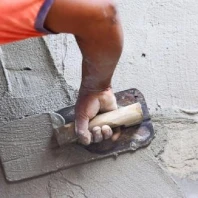
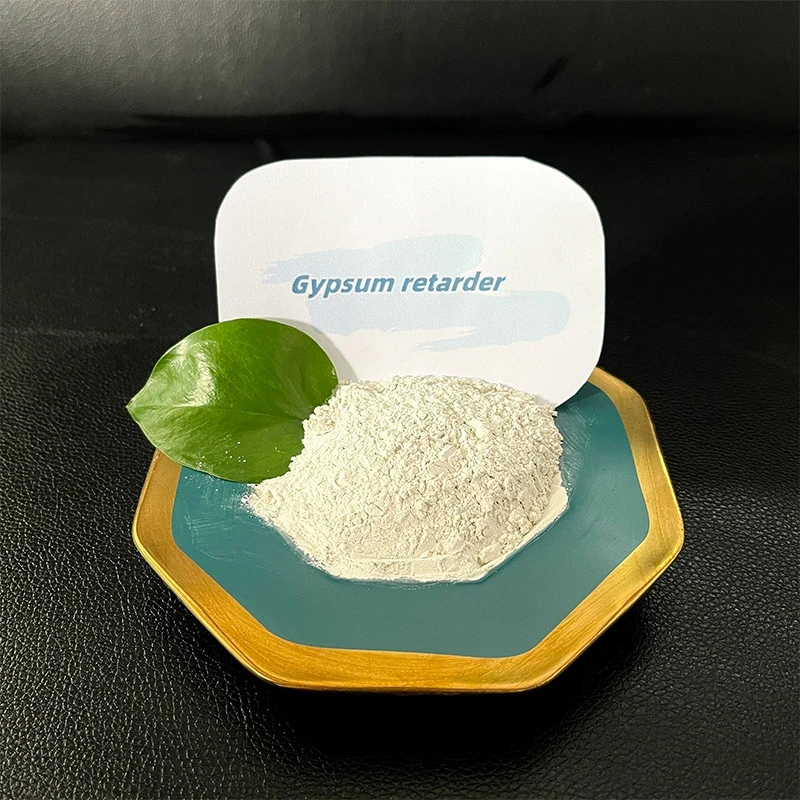
Plastering retarders, essential additives in the construction industry, have revolutionized how builders and contractors approach plaster application. These compounds, though small in volume, play a crucial role in enhancing the efficiency and quality of plastering projects. Here we delve into the significance, application, and benefits of using plastering retarders, backed by professional insights and industry expertise. Understanding the Role of Plastering Retarders Plastering retarders are chemical additives designed to slow the setting process of gypsum plaster. This controlled setting time allows for extended workability and ensures that the plaster remains pliable for longer durations. This becomes particularly beneficial in large-scale projects where complex surfaces require meticulous application without the pressure of rapid drying. The Expertise Behind Plastering Retarders The development of plastering retarders involves a blend of chemistry and construction technology. Experts in the field understand the delicate balance needed to decelerate the chemical reaction of plaster without compromising its structural integrity. The formulation process involves rigorous testing and quality assurance to meet the specific demands of different environmental conditions and project requirements. Benefits of Using Plastering Retarders 1 . Enhanced Workability By providing additional time for application, plastering retarders offer contractors the flexibility to achieve smooth, even surfaces. This is critical in enhancing the aesthetic and functional qualities of interior and exterior walls. 2. Reduction of Waste With elongation in setting time, plaster wastage is minimized. This is both cost-effective and environmentally friendly, making it an attractive option for sustainable construction practices. plastering retarder 3. Improved Structural Integrity Proper application and curing of plaster via retarders can result in fewer cracks and defects. This ensures a durable and lasting finish that meets and exceeds standard quality benchmarks. 4. Versatility Across Projects Whether in residential, commercial, or industrial settings, plastering retarders can be customized to align with the specific needs of each project, accommodating varying climatic and surface conditions. Real-Life Application of Plastering Retarders A case study involving a large commercial project illustrates the practical benefits of using plastering retarders. In this scenario, a team of contractors faced the challenge of plastering an expansive, intricate facade under high-temperature conditions. With the strategic use of plastering retarders, the team successfully managed to extend the setting time, allowing them to execute the plastering with precision. The quality of the finished surface was exemplary, demonstrating superior smoothness and consistency, which significantly enhanced the visual appeal and durability of the building. Building Trust Through Quality The importance of using reputable products cannot be overstated. It is paramount to choose plastering retarders from established manufacturers known for their quality and reliability. Trusted brands provide not just a product, but a comprehensive support system that includes product information, safety data, and technical assistance to ensure optimal application and results. Conclusion Plastering retarders serve as a testament to the advancements in construction technology, offering solutions that bridge efficiency, quality, and sustainability. For construction professionals, understanding and utilizing these additives can lead to significant improvements in project outcomes. By leveraging the strategic application of plastering retarders, contractors can ensure high-quality finishes that stand the test of time while maintaining economic and environmental balance. As the industry continues to evolve, the adoption of such innovative solutions will likely play an increasingly pivotal role in shaping modern construction landscapes.
-
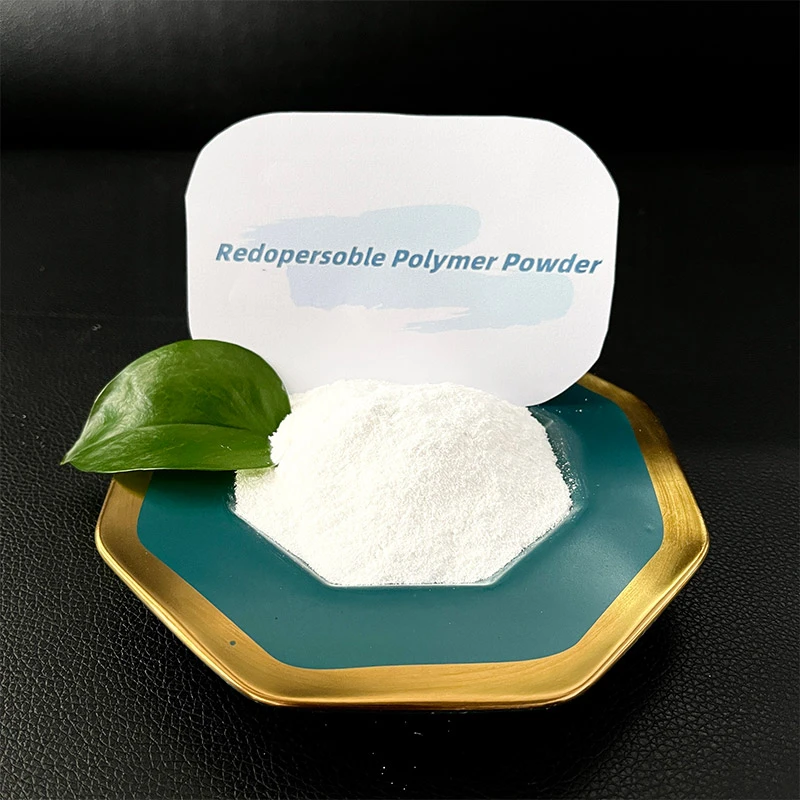
Pentastarch is a frequently utilized colloidal solution that has sparked interest among medical professionals due to its potential as a plasma volume expander. It is a hydroxyethyl starch, distinguished by its unique structure that allows it to play a crucial role in managing hypovolemia—a condition characterized by a decrease in the volume of blood plasma. Throughout its years of utilization in clinical settings, pentastarch has been the subject of extensive research, thereby establishing itself as a prominent topic in the medical community. One standout characteristic of pentastarch is its ability to rapidly restore intravascular volume, which is pivotal in the management of acute blood loss situations. The innovative structure of pentastarch, comprising a high molecular weight polysaccharide, provides it with the necessary properties to enhance oncotic pressure, thereby retaining fluid within the vascular compartment. This makes pentastarch a lifesaving therapy in critical care settings, where timely intervention is essential. However, the administration of pentastarch comes with a set of considerations that require professional expertise for safe and effective use. Its metabolic pathway, primarily through renal excretion, necessitates caution in patients with compromised kidney function. The accumulation of pentastarch in such conditions could lead to adverse effects, highlighting the importance of thorough patient assessment prior to its usage. The expertise of healthcare professionals is crucial in balancing the benefits of expeditious volume expansion against the risks associated with its administration. Moreover, pentastarch’s application is not limited to emergency care; it also finds utility in elective surgical procedures. Pre-surgical administration of pentastarch can stabilize cardiovascular function, minimizing the risk of hypotension during surgery. An authoritative understanding of its effects helps anesthesiologists administer precise dosages, tailored to the individual needs of patients, thus fostering a safer surgical environment and enhancing recovery outcomes. In recent years, studies have brought to light considerations related to its long-term safety profile, spurring debates within the medical community. Concerns about coagulopathy, particularly in prolonged administration scenarios, have been investigated, with findings emphasizing the necessity for controlled use and monitoring. Such concerns accentuate the need for trustworthiness and transparency from manufacturers, ensuring that the latest clinical data is accessible to practitioners worldwide. pentastarch On the matter of trustworthiness, it is imperative that resources regarding pentastarch be derived from reputable scientific literature and guidelines. Manufacturers and healthcare institutions must disseminate information that adheres to the highest standards of clinical evidence. This involves not only sharing positive outcomes but also clearly outlining potential risks and contraindications . For clinicians new to this product, familiarization with the most recent evidence-based protocols is encouraged. Attending workshops, engaging in continuous medical education, and collaborating with experienced colleagues can fortify an understanding of best practices. Establishing a network with peers who have firsthand experience with pentastarch can greatly enhance decision-making processes in clinical applications. Further contributing to its authoritativeness, pentastarch’s role in global health crises has been documented, providing case studies and real-world experiences of its effective use. These case studies serve as a testament to its vital function and the expertise required to deploy it effectively under duress. In conclusion, pentastarch remains a significant tool in the realm of fluid therapy, with its application demanding a balanced blend of experience, expertise, and stringent adherence to authoritative guidelines. As ongoing research continues to illuminate its nuanced applications, medical professionals are tasked with staying informed, ensuring that patient safety and therapeutic efficacy remain at the forefront of its use. Establishing trust through transparent communication and evidence-based practice is the cornerstone of optimizing patient outcomes with pentastarch.
advantages
-

200000 Viscosities
Excellent product
We can produce pure products up to 200,000 viscosities
-

40000 tons
High yield
We don’t stop production all year round, and the annual output can reach 40,000 tons
-

24 hours
Quality service
We provide 24-hours online reception service, welcome to consult at any time
———— Inquiry Form
Schedule A services


-
 redispersible_polymer_powder
Oct . 25, 2025
Redispersible polymer powder is an essential ingredient in many modern construction and manufacturin -
 mga_tagagawa_ng_pp_fiber
Oct . 25, 2025
Rubber mask powder has swiftly become a superstar in the skincare world, providing a unique and inno -
 hemp_polypropylene
Oct . 25, 2025
Choosing the right shampoo is essential for maintaining healthy hair and scalp. One emerging option


